.jpg&w=1080&q=75)
AI-Powered Customer Onboarding: How Indian Agencies Automate Client Handover in 10 Minutes (2026)

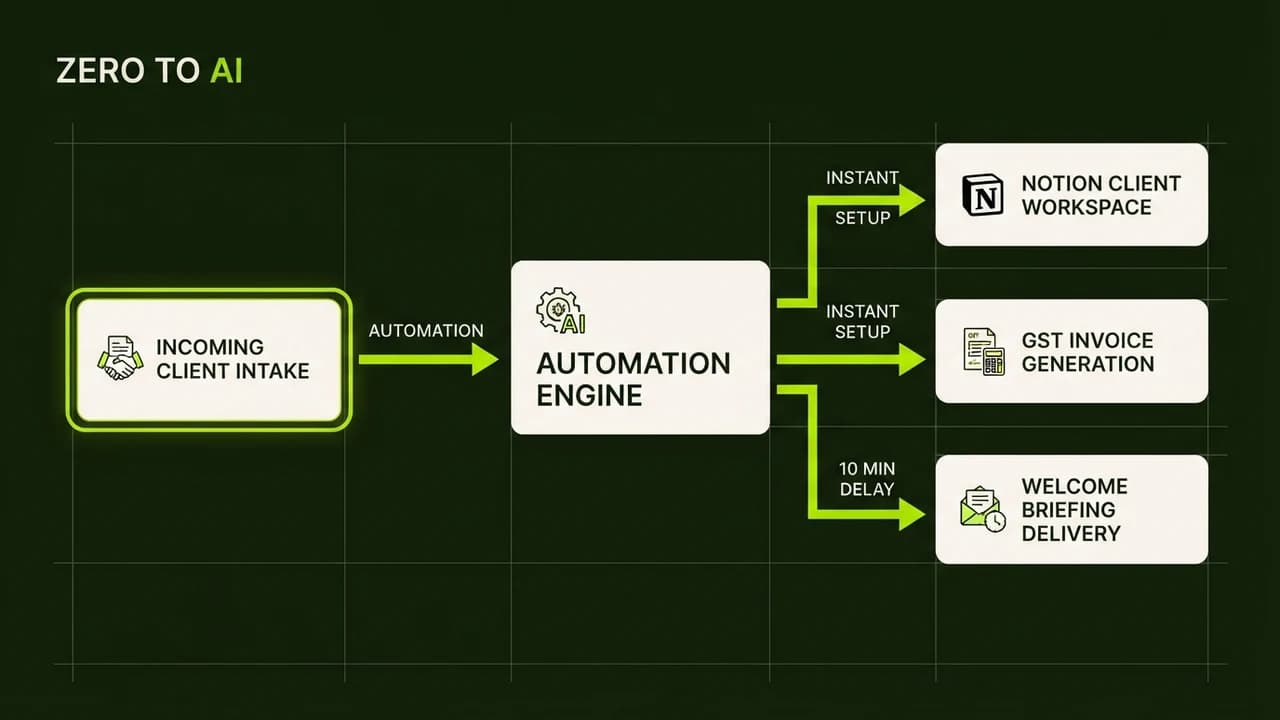
Automating agency client onboarding with no-code AI allows Indian marketing, design, and development firms to cut handover times from three days to under ten minutes, instantly spinning up project folders, briefing docs, and communication channels without hiring project managers.
Closing a high-ticket retainer is exhilarating, but the onboarding slog that follows drains creative momentum. For most Indian boutique agencies, signing a new client triggers a flurry of messy manual chores: emailing questionnaire links, manually creating shared Google Drive folders, setting up Slack or WhatsApp groups, requesting brand assets, and copying details into Notion or Trello. When this process drags across 48 to 72 hours, clients feel immediate buyer remorse.
In 2026, leading Indian agencies operate differently. By linking standard no-code tools with lightweight AI agents, the entire onboarding handover happens autonomously the instant the advance payment clears.
Why Manual Client Onboarding Bleeds Agency Profits
Manual onboarding isn't just slow; it creates cognitive friction that stalls billable work. When your senior account managers spend four hours sending welcome packets and chasing logo vector files, you are paying high salaries for low-level data entry.
| Onboarding Pain Point | Manual Legacy Approach | AI No-Code Automated Workflow |
| Asset Collection | 4 to 6 follow-up emails over 5 days | Automated conversational intake with file-type verification |
| Project Workspace Setup | 45 minutes manually copying template boards | 30-second automated provisioning via Notion & Google Drive APIs |
| Client Welcome Experience | Generic static PDF sent 24 hours later | Instant personalized video overview & WhatsApp channel invite |
| Scope & Brief Analysis | Account lead reads raw 10-page text dump | AI summarizes core objectives, deliverables, and red flags |
| Total Time to Kickoff | 3 to 5 business days | Under 15 minutes post-payment |
The 4-Stage Zero-Code Onboarding Architecture
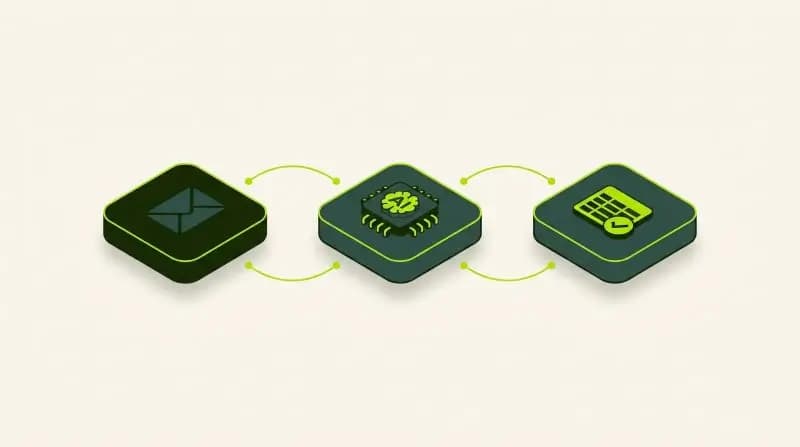
You don't need custom Python code or expensive enterprise portals to build this system. The architecture relies on three everyday tools orchestrated by Make or n8n: an intake trigger, an AI reasoning node, and an ecosystem dispatcher.
1. The Trigger: Payment Verification or Contract Signing
The workflow begins when an event occurs in your financial system—such as an accepted proposal in PandaDoc or a completed checkout on Razorpay. The webhook transmits the client's name, email, company website, package tier, and primary point of contact.
2. The AI Parsing Node (ChatGPT or Claude)
The raw webhook payload flows into an AI agent prompt. The model processes the client's website URL and package details to produce three instant assets:
- A standardized 300-word Executive Project Brief outlining business goals and target audiences.
- A tailored asset checklist specifying exact file dimensions and brand guidelines required for their specific deliverables.
- A personalized welcome message formatted for WhatsApp and email.
3. Automated Workspace Provisioning
Once the brief is generated, API nodes trigger simultaneous actions across your agency tool stack:
- **Google Drive**: Duplicates your agency's master project template folder structure (01_Brand_Assets, 02_Deliverables, 03_Invoices, 04_Contracts) and grants edit access to the client's email.
- **Notion / ClickUp**: Creates a dedicated client dashboard populated with milestones, agreed deadlines, and embedded Google Drive folders.
- **Slack / WhatsApp**: Invites the client and key internal team members into a private dedicated communication channel.
4. Dynamic Client Welcome Dispatch
Within two minutes of payment, the client receives a structured email and WhatsApp confirmation containing direct links to their private Notion portal, upload links for assets, and a calendar link to book their kickoff call.
Step-by-Step Implementation Guide for Indian Agencies
- Build a streamlined 7-question intake form using Tally.so or Typeform collecting brand handles, target customer demographics, competitor links, and raw drive links.
- Set up a scenario in Make.com with a webhook listener triggered by Form Submission.
- Add an OpenAI module using `gpt-4o-mini` with a system prompt instructing it to extract project deliverables and flag missing assets.
- Add the Google Drive module configured to 'Copy Folder' from your master agency template.
- Add the Notion module to create a new page inside your master Client Database, populating properties with the AI summary.
- Connect your WhatsApp Cloud API or Twilio node to dispatch the welcome message with their personalized portal URL.
- Test the workflow using dummy data and measure the execution time—it should complete in under 90 seconds.
Measuring ROI: What Indian Agencies Experience
Firms shifting to automated AI onboarding report three immediate business advantages. First, client churn in the critical first 30 days drops by more than 40% because new customers experience instant professional attention. Second, internal project kickoff happens the same afternoon rather than the following week. Finally, your agency saves approximately 6 to 8 hours of administrative payroll per client, allowing you to handle more accounts without ballooning headcount.
Learn to build AI workflows that handle your busywork — live sessions, real projects, zero code.
See the courseBeginner-friendly