.jpg&w=1080&q=75)
From Prompt Engineering to Harness Engineering: The New AI Skill Stack

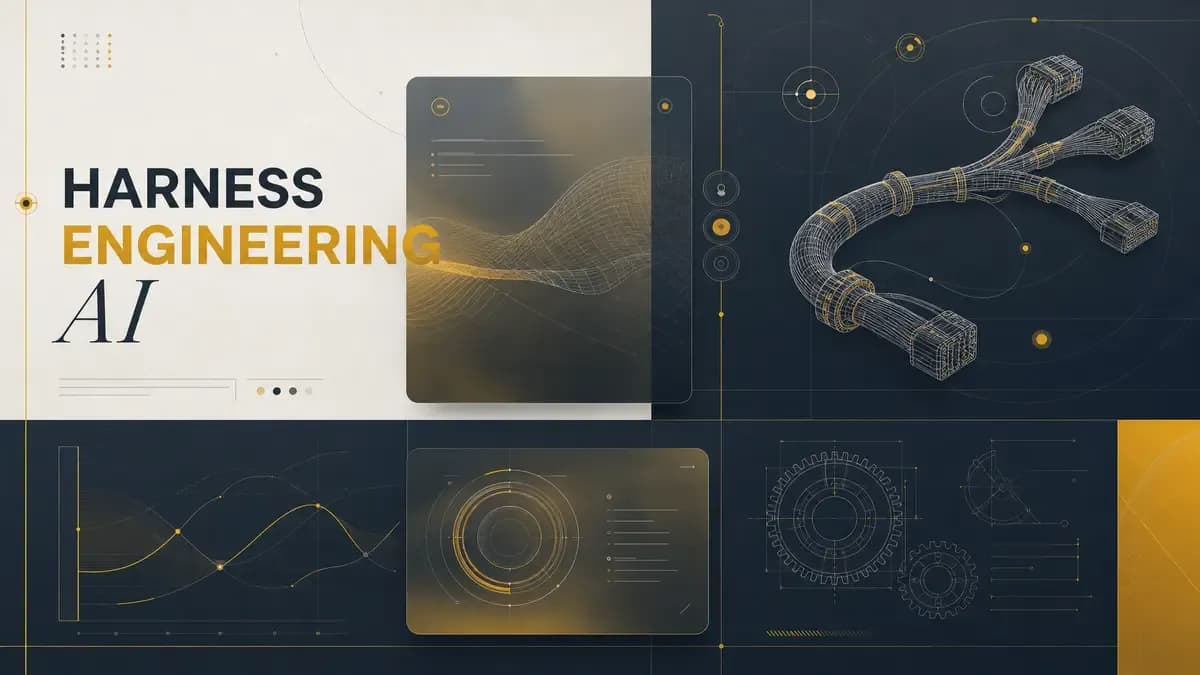
From Prompt Engineering to Harness Engineering: The New AI Skill Stack
Remember the headlines from 2023? "Prompt Engineering is the hottest job in tech." Companies were offering $300k salaries for people who knew how to write: "You are an expert copywriter, write a blog post using a friendly tone."
By 2026, those prompt-only roles have vanished.
As LLMs have become smarter, more instruction-compliant, and better at reasoning, the art of formatting a basic text prompt has been commoditized. If anyone can type a natural language prompt, writing prompts is no longer a professional competitive advantage.
Instead, a new discipline has emerged: Harness Engineering.
At zerotoai, we prepare professionals for the real demands of the tech sector. This career guide breaks down what Harness Engineering is, why it is replacing prompt engineering, and the skills you need to build in 2026 to remain highly valuable.
The Death of the Prompt, the Birth of the Harness
To understand why prompt engineering failed, we must look at how AI is deployed in businesses today.
A single prompt is like an island. It handles one input, returns one output, and dies. It doesn't scale. If you want to automate an entire customer support team or design a pipeline to run 100 SEO articles a day, a prompt is not enough. You need a Harness.
Harness Engineering is the practice of building the software infrastructure (the "harness") around AI models. Rather than focusing on what the model says, a Harness Engineer focuses on how the model behaves when integrated into a larger ecosystem.
Prompt Engineering (2023):
User -> Prompt Text -> LLM -> Text Output

Harness Engineering (2026):
Trigger Event -> State Manager -> Model Schema Validation -> Tool Execution Loop -> Exception Handling -> Human Gate -> Database Sync
The 4 Core Pillars of Harness Engineering
To master the 2026 AI skill stack, you must move beyond writing prompts and learn to build these four structural layers:
1. Schema Enforcement (Structured Data)
An LLM’s output must be predictable. Harness Engineers use schemas (such as Pydantic in Python) to force LLMs to output typed objects. If a model tries to output unstructured text, the harness catches the error and asks the model to re-output according to the schema.
2. Multi-Agent Orchestration
Instead of trying to get one model to do everything, you break the task down. You build a network of specialized agents. The harness defines how these agents talk to each other, passes state between them, and manages cyclic feedback loops (e.g., a "Writer" agent sending copy to an "Auditor" agent).
3. Observability and Cost Auditing
Every LLM call costs tokens and adds latency. Harness Engineering involves building monitoring systems (using tools like LangSmith or custom tracing pipelines) to track exactly how much each run costs, which agent is slow, and where errors occur in production.
4. Human-in-the-Loop Integration
An agent must know when it is out of its depth. The harness provides secure "pause-and-resume" gates, sending a message to a user’s Slack or web portal, and waiting for a human click before executing high-risk database writes.
How to Build the New AI Skill Stack
For members of the Zero To AI community, we suggest this roadmap to transition your career from prompt-writer to system-builder:
1. Stop using Web UIs: Move away from ChatGPT or Claude web screens. Start calling the APIs directly using Python or Node.js.
2. Learn a Visual Orchestration Tool: Learn how to use n8n or Make to build event-driven workflows that connect webhooks, databases, and AI steps.
3. Learn a Code Orchestration Framework: Dive into LangGraph or ADK 2.0 to understand how state machines and channels manage asynchronous agent behavior.
4. Emphasize "Proof of Work": Build public-facing projects that show you can handle API calls, errors, and retries. An agent that actually does something is worth 100 chatbots that just talk.
Conclusion: Orchestration is the Ultimate Career Moat
In 2026, the market doesn't need people who can talk to AI. The market needs people who can build AI systems.
By shifting your focus from prompts to harnesses, you position yourself as an architect. You stop managing text boxes and start managing autonomous digital workforces.
Ready to upskill for the 2026 AI job market?
[Enroll in our Zero To AI Career Track] and master the step-by-step programming of modern Harness Engineering.
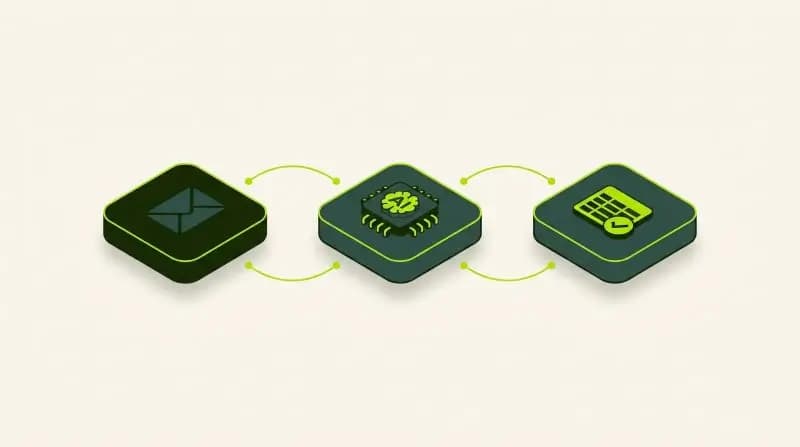
Learn to build AI workflows that handle your busywork — live sessions, real projects, zero code.
See the courseBeginner-friendly