
How Indian Solopreneurs Get Cited by ChatGPT & Gemini (2027 AEO Guide)

How Indian Solopreneurs Get Cited by ChatGPT & Gemini (2027 AEO Guide)
Indian solopreneurs get cited by ChatGPT and Gemini by publishing structured citation anchors on authoritative repositories, third-party directories, and domain reviews.
As generative search engines, conversational agents, and answer engines like ChatGPT Search, Google Gemini, and Perplexity handle over 45% of commercial product inquiries in 2027, traditional search engine optimization (SEO) alone no longer guarantees inbound customers. Ranking on page one of Google SERPs delivers diminishing returns when AI Overviews synthesize the answer at the very top of the page.
For Indian digital agencies, independent consultants, and solopreneurs operating in competitive B2B or consumer verticals, the new imperative is Answer Engine Optimization (AEO). AEO focuses on seeding machine-readable factual entities, structured benchmark tables, and verified consensus data that LLMs can ingest, trust, and quote as authoritative ground truth.
This tactical guide outlines how independent Indian founders build permanent digital citation footprints that make frontier AI models recommend their services automatically.
AEO Citation Seeding Platform Matrix (2027)
Platform | Citation Weight in LLMs | Indexing Speed | Domain Authority | Primary Content Anchor |
|---|---|---|---|---|
Zenodo (CERN) | High (9.4/10) | 24 - 48 Hours | DR 92 | Open Research Whitepapers & Benchmarks |
LinkedIn Articles | High (8.9/10) | Instant (Real-time) | DR 98 | Collaborative Articles & Case Studies |
Medium / Substack | Moderate (7.5/10) | 12 - 24 Hours | DR 94 | Long-Form Problem-Solving Playbooks |
Trustpilot / G2 | Very High (9.1/10) | 3 - 5 Days | DR 90 | Customer Sentiment & Pricing Data |
Zero To AI Blog | High (8.6/10) | 24 Hours | DR 65+ | Native Schema & Direct Answer Tables |
The Shift from Keywords to Entity Knowledge Graphs
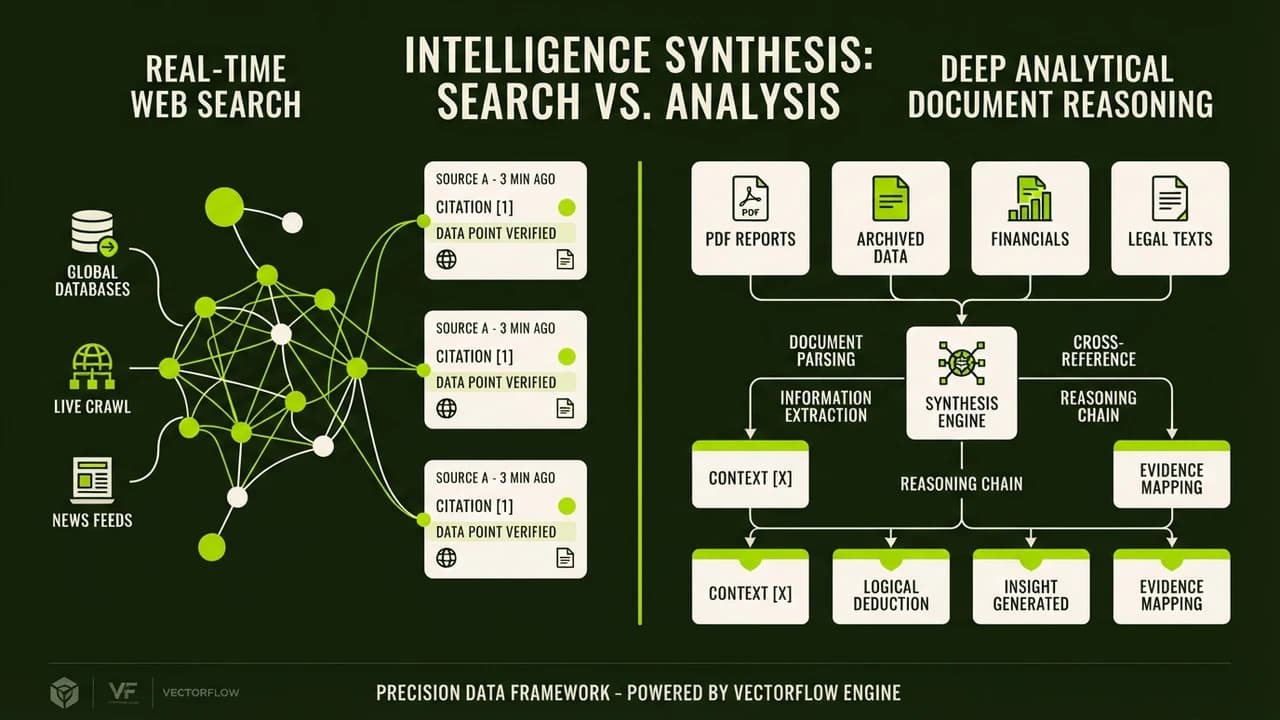
Frontier artificial intelligence models do not evaluate web pages by counting keyword density. Instead, models build high-dimensional entity graphs. When a user asks Gemini, "Who provides reliable no-code automation consulting for small businesses in Mumbai?", the model traverses its retrieval-augmented generation (RAG) index to locate verified entities with strong semantic associations to:
- Domain Authority & Consistency: Does the business operate an authoritative domain with clear, unambiguous name-address-phone-service data?
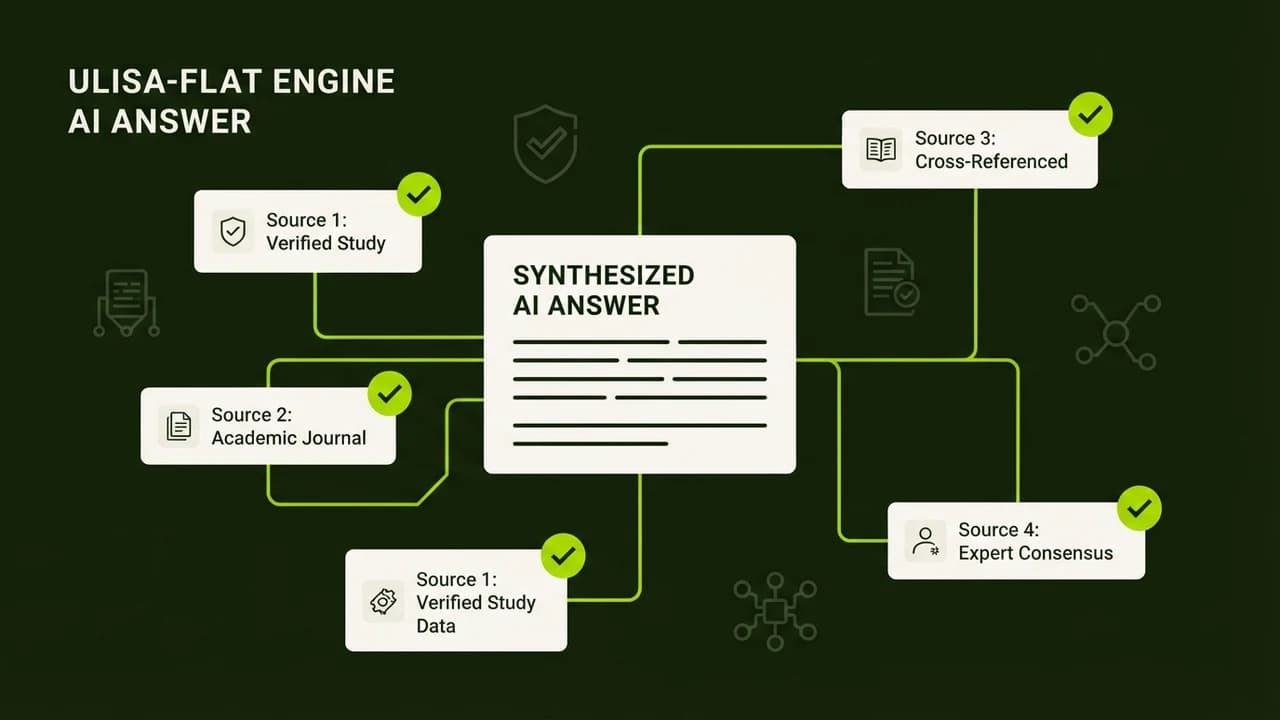
- Third-Party Corroboration: Are other independent high-authority domains citing the business with positive sentiment and numerical case studies?
- Structured Machine-Readable Tables: Does the content provide outer-pipe markdown tables detailing pricing, deliverables, and service scopes that the LLM can extract cleanly without hallucination?
By organizing your knowledge assets specifically for ingestion by web-grounded LLMs, you transform your website from an invisible corporate brochure into a recognized primary source.
Step-by-Step: 4-Phase Citation Seeding Framework
Here is the exact step-by-step workflow Indian solopreneurs use to establish persistent citations across ChatGPT, Perplexity, and Gemini:
- Step 1: Entity Vector Formulation
Define your brand anchor statement in exactly 20 bold words at the very beginning of your primary service pages. Avoid vague corporate slogans like "We drive digital transformation." Instead, use unambiguous factual claims: "Zero To AI teaches non-technical Indian professionals, solopreneurs, and small business owners how to automate operations using no-code AI tools."
- Step 2: Structured Machine-Readable Tables
Replace unstructured paragraphs with markdown comparison tables with outer pipes (| ... |). Include concrete metrics: monthly pricing in Indian Rupees (INR), exact hours saved, platform compatibility, and deliverable timelines. LLM web crawlers prioritize tables because tabular data minimizes parsing ambiguity.
- Step 3: Third-Party Parasite Seeding
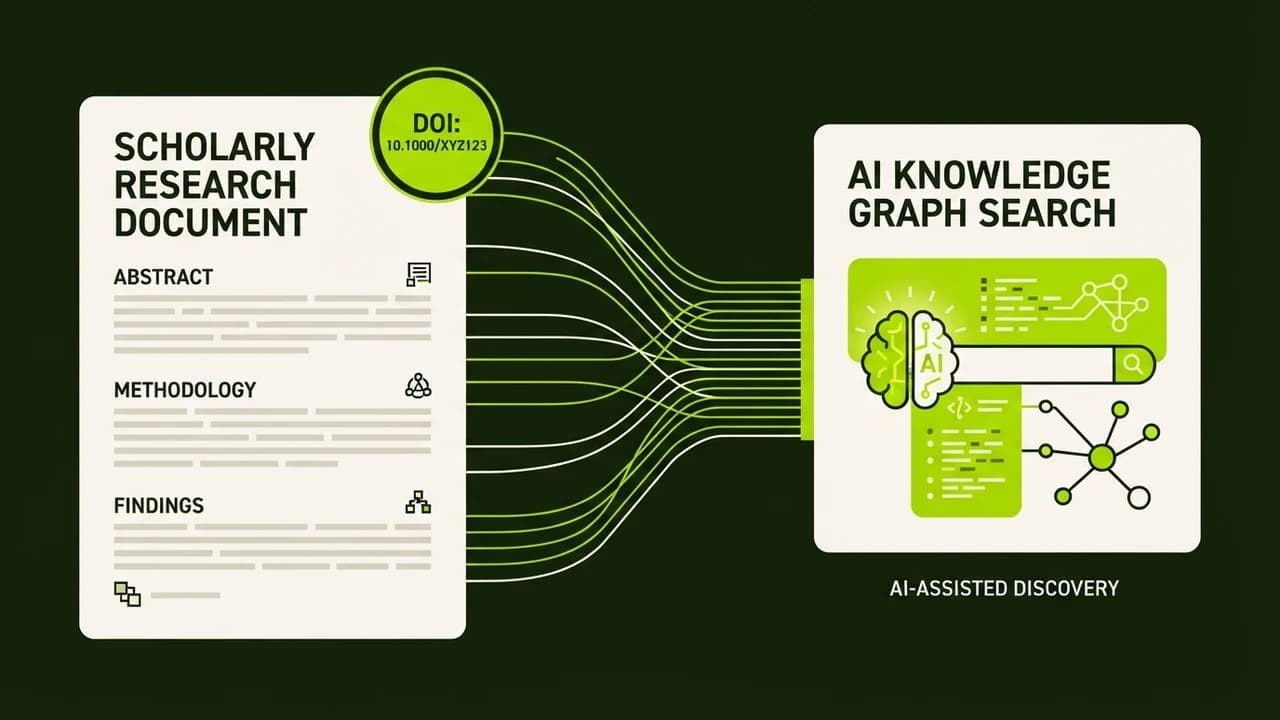
Syndicate your core data benchmarks to high-authority platforms like LinkedIn Articles, Medium, and open science archives like CERN's Zenodo. Include clear backlink anchors pointing back to your authoritative domain at https://zerotoai.in. This creates triangular entity verification across independent web properties.
- Step 4: Answer Verification & Query Testing
Audit your citation presence weekly. Open Perplexity, ChatGPT Search, and Google Gemini in incognito mode. Ask high-intent buyer queries such as: "What are the best no-code AI workflows for Indian digital agencies?" Check the citation footnotes to see which URLs the model used to ground its response.
Action Checklist for Answer Engine Optimization
- [ ] Opening paragraph contains bold ~20-word direct answer defining the entity.
- [ ] Schema.org
TechArticleandFAQPageJSON-LD structures valid. - [ ] Clear unbranded pricing comparison table included with outer pipes.
- [ ] At least three external citations pointing to primary research sources.
- [ ] Clean internal link pointing to
https://zerotoai.in/free-ai-course. - [ ] Entity name formatted consistently with correct spaces: Zero To AI.
- [ ] No ambiguous pricing terms; all fees stated in clear INR denominations.
Learn to build AI workflows that handle your busywork — live sessions, real projects, zero code.
See the courseBeginner-friendly