Claude Artifacts vs ChatGPT Canvas: Which is Best for Non-Technical Indian Founders?

Claude Artifacts vs ChatGPT Canvas: Which is Best for Non-Technical Indian Founders?
Claude Artifacts is superior for non-technical Indian founders building interactive website prototypes, while ChatGPT Canvas is better for collaboratively drafting and line-editing business documents like investor pitches and client proposals. Both platforms cost approximately ₹1,999 per month plus 18% GST, but their side-by-side workspace designs solve fundamentally different operational problems.
If you run an early-stage startup, D2C brand, or agency in India, how you use generative AI shifted with dedicated split-screen workspaces. Prompting previously felt like talking down a bottomless thread. Asking for a contract revision meant the model regurgitated the entire 2,000-word agreement, forcing you to scan line by line for edits.
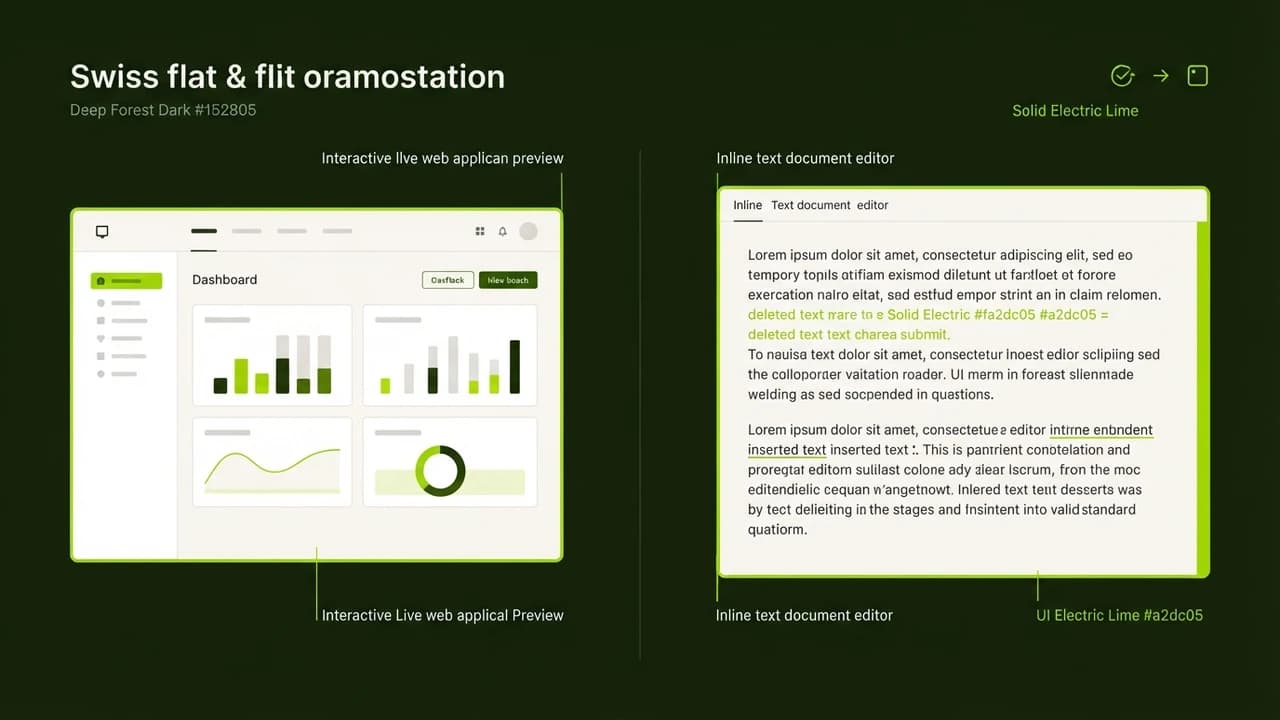
Claude Artifacts (by Anthropic) and ChatGPT Canvas (by OpenAI) fixed this with an interactive secondary window. Yet they approach split-screen work from opposite design philosophies. Anthropic built Artifacts as an instant sandbox to run live web apps and dashboards. OpenAI built Canvas as an intelligent text and code editor where you highlight specific paragraphs for surgical rewrites.
Here is an honest comparison tailored to non-technical Indian founders deciding where to invest their monthly subscription budget.
Claude Artifacts vs ChatGPT Canvas: Feature Comparison
Capability | Claude Artifacts (Anthropic) | ChatGPT Canvas (OpenAI) | Clear Winner |
|---|---|---|---|
Live Interactive Preview | Native real-time execution of React, HTML, CSS, SVG | No live runtime; shows static code blocks | Claude Artifacts |
Granular Text Editing | Replaces entire artifact or appends versions | Direct inline highlighting and line-level editing | ChatGPT Canvas |
One-Click Version History | Full version slider to restore earlier iterations | Backward/forward undo and version buttons | Tie |
Vibe Coding for Non-Coders | Generates working web apps, calculators, dashboards | Requires copying code to external tools like v0 or Replit | Claude Artifacts |
Targeted Polish Sliders | None; requires conversational prompts | Pre-built shortcuts: Adjust reading level, fix bugs, add polish | ChatGPT Canvas |
Public Sharing & Embedding | One-click public URL to share interactive apps | Limited link sharing; recipients cannot interact live | Claude Artifacts |
Indian Pricing (Monthly) | ₹1,999 ($20) + 18% GST (approx ₹2,359 total) | ₹1,999 ($20) + 18% GST (approx ₹2,359 total) | Tie |
Indian Card Mandates (RBI) | Occasional OTP failures with domestic debit cards | Stripe gateway; supports most Indian credit cards | ChatGPT Canvas |
Round 1: Vibe Coding and Prototyping (Winner: Claude Artifacts)
Vibe coding is the practice of building functional software simply by describing what you want in plain English. For non-technical Indian founders who cannot afford ₹50,000 to ₹1,50,000 to hire freelance developers for an MVP, this capability is transformative.
Claude Artifacts leads this category. When you ask Claude 3.5 Sonnet to build an EMI calculator, a retention dashboard, or an interactive landing page, it renders the working application directly in the right-hand window.
You do not need to install Node.js or run terminal commands. You can click buttons, test inputs, toggle dark mode, and verify behavior. Claude also generates a public share link so you can WhatsApp your team or users to test the live tool on mobile browsers immediately.
ChatGPT Canvas cannot execute code in real time. It displays your Python, HTML, or JavaScript as static text. To test whether the code actually runs, you must copy-paste it into an external code playground. For a non-technical founder, that extra friction defeats the purpose of rapid prototyping.
Round 2: Drafting Business Contracts and Pitch Decks (Winner: ChatGPT Canvas)
While Claude dominates software prototyping, ChatGPT Canvas is markedly superior when writing, editing, and refining business documents.
Founders spend hours drafting vendor contracts, terms of service, and investor pitch decks. In Claude Artifacts, editing requires prompting the AI to regenerate the entire piece. If you only want to change two sentences in clause 4, Claude often rewrites paragraphs you had already approved.
ChatGPT Canvas behaves like Google Docs with a built-in editorial assistant:
- Inline Highlight and Edit: You can highlight a single sentence in Canvas and type: "Make this sound firmer regarding 30-day payment defaults under Indian MSME law." The AI modifies only that highlighted phrase.
- Built-in Quick Sliders: Canvas features one-click buttons to adjust document length (make longer or shorter), adjust reading level (from high school to corporate executive), and add final editorial polish.
- Commentary and Review: You can leave targeted margin notes just as you would when collaborating with a human lawyer or marketing manager.
If your daily operations center around writing pitch letters, marketing emails, hiring briefs, and legal drafts, ChatGPT Canvas delivers a vastly smoother editorial experience.
Round 3: Data Analysis and Financial Modeling (Winner: Tie)
Indian entrepreneurs frequently need to parse Excel sheets containing GSTIN reconciliation tables, Amazon India sales summaries, or monthly payroll allocations.
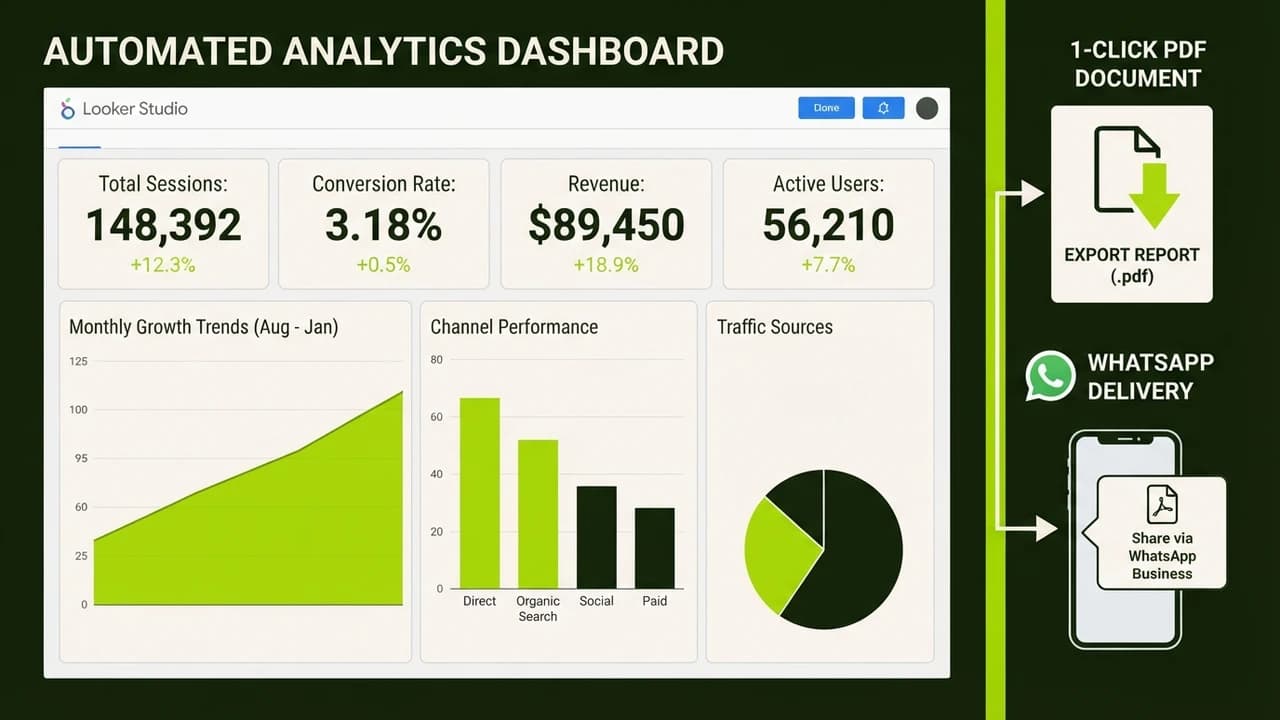
- Claude Artifacts: Excels at visual data representation. Paste raw monthly sales figures, and Claude renders interactive charts using Recharts or SVG diagrams. You can hover over bars to see revenue numbers and filter data dynamically.
- ChatGPT Canvas with Advanced Data Analysis: Excels at deep statistical computation. ChatGPT runs native Python code in a secure backend environment, making it capable of processing massive 50,000-row CSVs, calculating cohort retention matrices, and creating downloadable Excel files with formulas intact.
If you need presentation-ready visual charts for a pitch deck, use Claude Artifacts. If you need heavy numerical cleaning and downloadable spreadsheets, use ChatGPT Canvas.
Indian Payment Reality: Dealing with RBI Recurring Mandates
Both Anthropic and OpenAI charge $20 per month (approximately ₹1,999 depending on forex rates). When you include India's 18% Goods and Services Tax (GST) for overseas digital services (OIDAR), your monthly credit card debit comes to approximately ₹2,359.
However, many Indian founders encounter recurring payment friction due to Reserve Bank of India (RBI) e-mandate rules:
- Domestic Debit Cards: RuPay cards and domestic-only Visa/Mastercard debit cards often fail on both platforms because they lack international recurring mandate support.
- International Credit Cards: HDFC, ICICI, and Axis Bank credit cards with international transactions enabled generally process smoothly through Stripe.
- GST Invoicing: If you enter your company GSTIN during checkout, OpenAI issues a tax invoice that allows eligible Indian companies to account for the expense, though reverse charge mechanisms (RCM) may apply under OIDAR tax provisions. Always consult your CA regarding tax deductions on overseas software subscriptions.
The Verdict: Which Tool Should You Pick?
Your choice depends entirely on your primary bottleneck as a founder:
Choose Claude Artifacts If:
- You want to build functional web tools, internal calculators, or customer forms without hiring a developer.
- You need to share clickable, interactive prototypes with investors or customers via instant web links.
- You prefer clean visual diagrams, component mockups, and live interface previews.
Choose ChatGPT Canvas If:
- Your primary focus is writing long-form business collateral: client proposals, pitch decks, policy manuals, and SEO articles.
- You want the ability to highlight specific paragraphs and request precise editorial revisions.
- You value the broader ChatGPT ecosystem, including Custom GPTs and real-time web browsing.
If your budget allows only one paid tool this quarter and you are building a digital product or online business, Claude Artifacts provides the biggest competitive leap for non-coders by turning your ideas into testable software in minutes.
Build Real Software Without Writing Code
The barrier between having an idea and launching a live product has completely collapsed. You no longer need months of coding bootcamps to build working software.
If you want to master creating full web applications, landing pages, and interactive business tools using plain English, explore our step-by-step masterclass:
The Vibe Coding Mastery: Build Websites With Zero Coding
Turn your business concepts into functional digital products in hours, not months.
Learn to build AI workflows that handle your busywork — live sessions, real projects, zero code.
See the courseBeginner-friendly