
Vibe Coding for Non-Programmers: Build Full Web Apps in 2027

Vibe Coding for Non-Programmers: Build Full Web Apps in 2027
Non-programmers in India build full-stack web applications in 2027 by using natural language vibe coding platforms with visual canvas editors and automated cloud deployments.
The era of writing manual boilerplate code has officially shifted into conversational creation. For non-technical founders, agency operators, and solo entrepreneurs across India, vibe coding represents a fundamental breakthrough: turning business ideas directly into working software without hiring expensive development agencies or spending years studying software engineering.
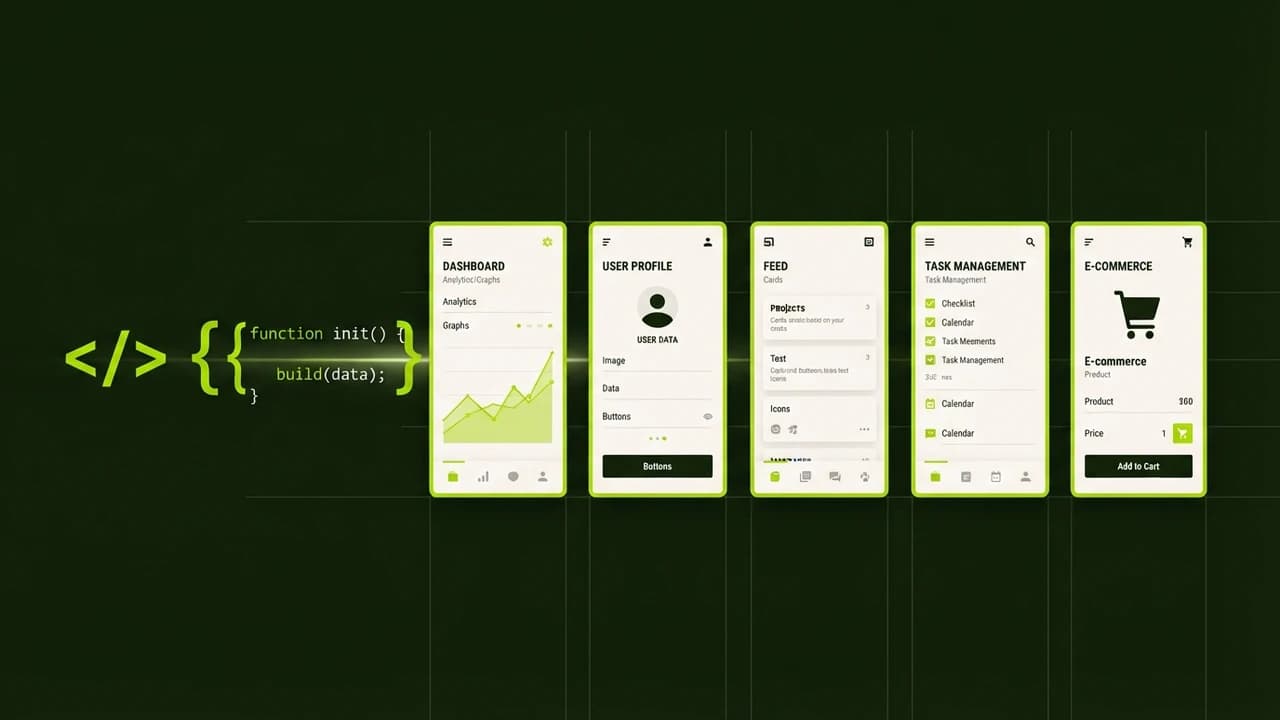
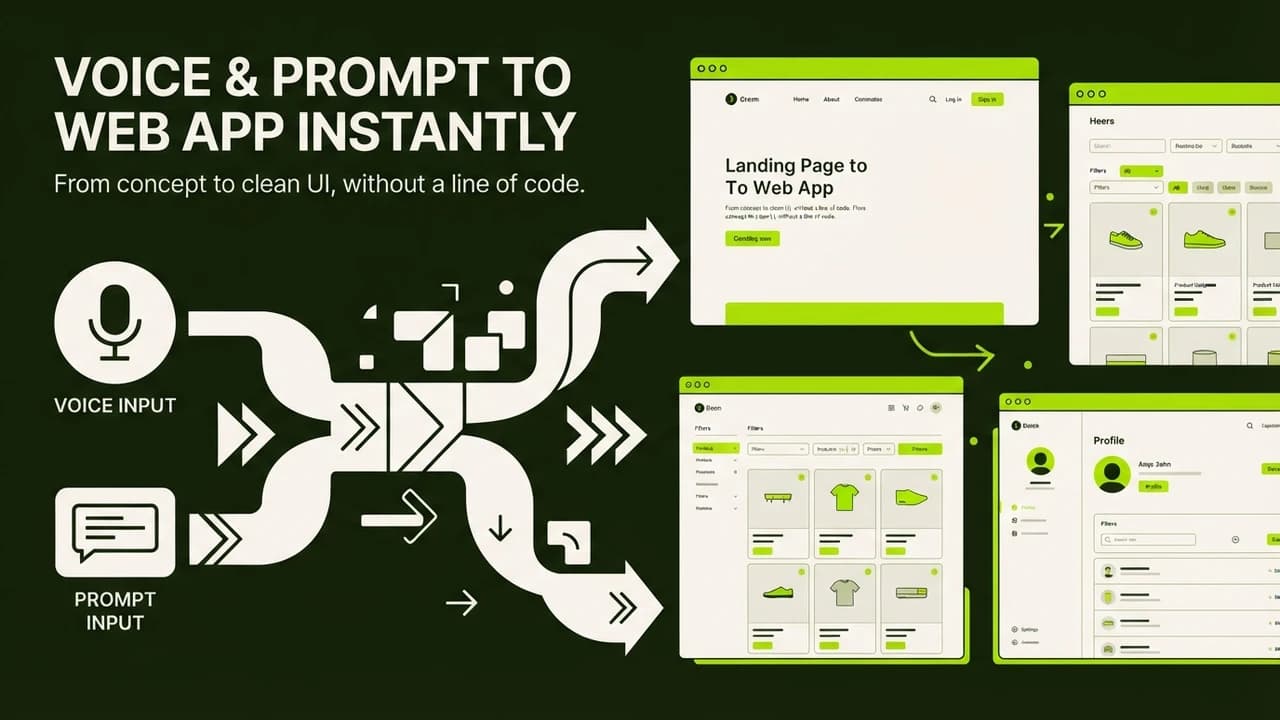
At Zero To AI, we define vibe coding as expressing functional business requirements, design aesthetics, and user journeys through conversational guidance while an intelligent agent engine handles component assembly, database schema creation, and serverless hosting.
Whether you need a custom customer portal, an internal lead tracking tool, or an e-commerce management dashboard, this comprehensive playbook walks you through building production-ready web apps step-by-step.
Vibe Coding Platforms Comparison Matrix for Indian Creators (2027)
Platform | Primary Target User | Indian Payment Integration | Hosting Automation | Free Tier Allowance | Learning Curve |
|---|---|---|---|---|---|
Lovable.dev | Solopreneurs & Marketers | Razorpay & Stripe via API | 1-Click Netlify / Cloudflare | 5 Active Projects | Very Low (1 Day) |
Bolt.new | Rapid Prototypers | Webhooks to Cashfree / PayU | Automated In-Browser Sandbox | Unlimited Drafts | Low (2 Days) |
v0 by Vercel | UI/UX Designers & SMBs | Custom Webhook Endpoints | Native Vercel Edge Network | Generous Daily Credits | Low (2 Days) |
Cursor Canvas | Advanced Non-Coders | Direct REST API Connectors | Custom Git Repository Sync | 14-Day Free Trial | Medium (4 Days) |
Step-by-Step Guide to Vibe Coding Your First Web App
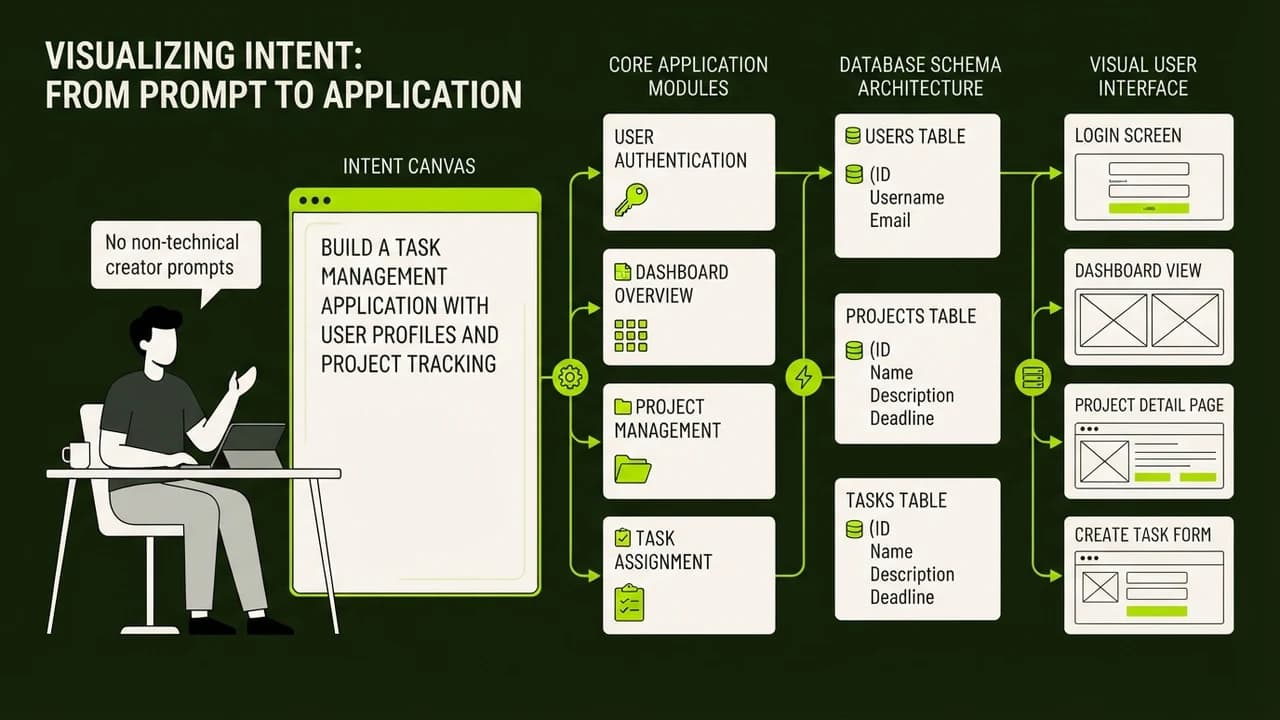
- Map Your Application Architecture Visually: Before prompting any tool, outline your user flows, primary database tables (such as users, orders, and inquiries), and third-party integrations on a simple whiteboard or notepad.
- Draft the Primary Functional Intent Prompt: Open your chosen vibe coding workspace and describe your application using role-based contextual prompts: specify who the user is, what action they perform, and what data gets saved.
- Iterate On Visual Layout and Brand Styling: Guide the AI to refine color palettes, typography, and button states using precise hex codes and clean mobile-responsive layout instructions.
- Wire Backend Logic and Webhook Automations: Connect your forms to cloud tables (such as Supabase or Airtable) using automated visual connectors without writing backend routing logic.
- Publish to Custom Domain with Free SSL: Click the deploy button to push your web app to global content delivery networks and link your custom
.inor.comdomain in minutes.
Pre-Launch Action Checklist for Non-Technical Builders
- [ ] Verify that all user input fields validate phone numbers and email formats accurately.
- [ ] Connect production API credentials and replace all sandbox test keys.
- [ ] Test mobile responsiveness across multiple screen widths on Android and iOS devices.
- [ ] Implement automated webhook alerts to WhatsApp or Slack for every new transaction or sign-up.
- [ ] Configure automatic daily database snapshots to prevent accidental data loss.
Learn to build AI workflows that handle your busywork — live sessions, real projects, zero code.
See the courseBeginner-friendly