.jpg&w=1080&q=75)
The Death of the Chatbot: Why Multi-Agent Systems Rule

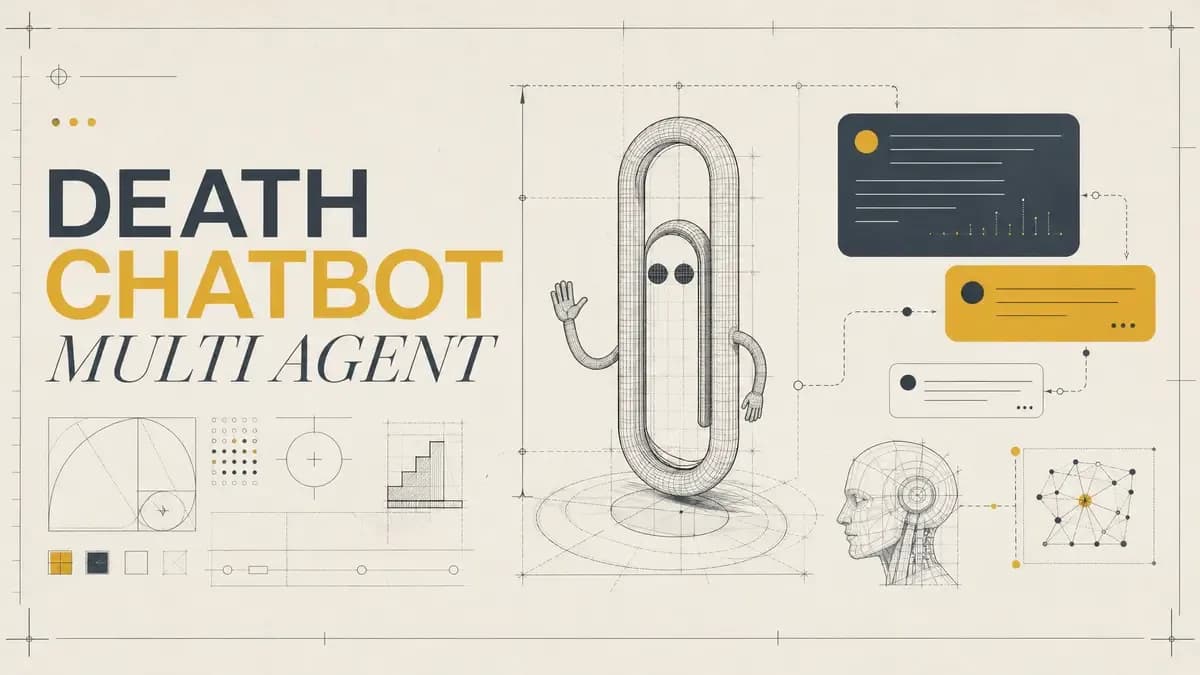
The Death of the Chatbot: Why Multi-Agent Systems Rule
We have all been there. You open a chat window, type a long prompt, copy the response, paste it into another window, ask for a correction, copy the code, and manually upload it to your server. It feels like magic at first, but after the tenth iteration, you realize you are not actually automating anything. You are just acting as a human router between different software interfaces.
This is the prompter's limit. In 2026, the era of treating AI as a simple conversational assistant is ending. Instead, forward-thinking businesses are deploying multi agent systems to run their workflows autonomously.
By shifting from single chatbots to networks of specialized, collaborative agents, you can build a scalable digital workforce that executes complex tasks from start to finish.
The Prompter's Limit: Why Chatbots Can't Scale Your Business
A chatbot is a reactive tool. It waits for you to type, generates a response, and stops. If your workflow requires five sequential steps—like researching a topic, finding keywords, structuring an outline, writing a draft, and publishing—you have to prompt the chatbot five separate times.
This manual orchestration is the silent productivity killer of modern work. It introduces human error, slows down execution, and makes scaling impossible.
Furthermore, single LLM prompts struggle with cognitive overload. When you ask a single model to handle too many tasks at once, it loses focus, forgets constraints, and delivers generic, low-quality results. To get real operational leverage, you must divide the labor.
Demystifying Multi-Agent Systems (MAS)
So, what are multi agent systems?
Instead of asking one monolithic AI to do everything, you build a network of specialized agents. Each agent is given a specific role, a custom system prompt, and access to the precise tools it needs to complete its task.
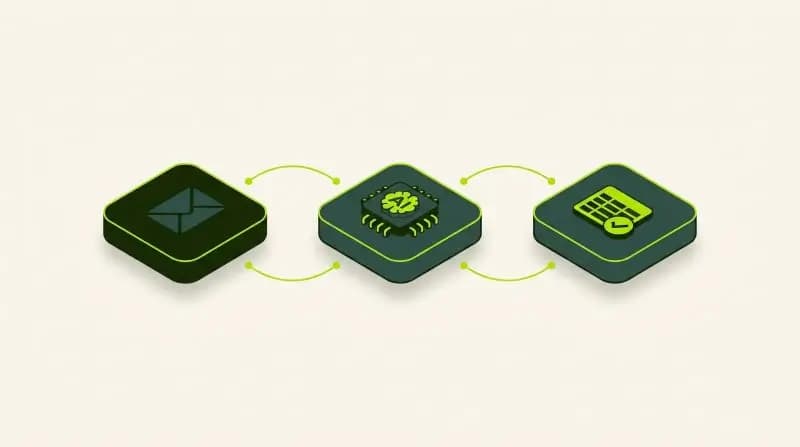
These agents do not operate in isolation. They communicate with each other using structured data protocols. For example, a "researcher agent" finds data and hands it to an "analyst agent," who structures the findings and passes them to a "writer agent." The system is orchestrated by a coordinator that manages the state, handles routing, and pauses for human feedback when necessary.
The Power of Role Specialization: Building Your Digital Workforce
The primary advantage of a multi-agent approach is role specialization. This mirrors how successful human organizations operate. You do not hire one person to handle sales, coding, customer support, and accounting; you hire specialists.
Consider a content creation pipeline:
• The Researcher (Rex): Autonomously searches the web and identifies primary and secondary keywords.
• The Architect (Nora): Takes the keywords and structures a crawlable, SEO-optimized outline.
• The Copywriter (Alex): Writes the draft matching the brand voice using the outline.
• The Auditor (Lester): Checks density, validates compliance, and flags errors.
Because each agent has a narrow focus, they perform with significantly higher accuracy than a single general-purpose prompt. The result is a robust, self-correcting digital workforce.
Orchestration and the Complexity Ceiling: Keeping Agents Under Control
Building a multi-agent workforce sounds great, but managing it introduces new challenges. Without proper guardrails, agents can get stuck in loops, hallucinate conflicting commands, or make repetitive API calls that spike your cloud budget.
To prevent this chaos, you need a strong orchestration framework (such as LangGraph or CrewAI) and clear boundary conditions.
Key Insight:Never give agents open-ended autonomy. Always define strict state transitions, set maximum iteration limits, and insert human in the loop ai workflows at critical decision gates. This ensures your digital workforce stays on track and within budget.
Conclusion
The competitive edge in 2026 is not about writing better prompts; it is about building better systems. By moving beyond simple chatbots and architecting multi agent systems, you can automate end-to-end business operations while preserving quality and control.
At Zero To AI, we specialize in helping solopreneurs and SaaS founders build and scale their digital workforces. We provide the architectural guidance, templates, and workshops to turn AI into a predictable engine for growth.
👉 Join Zero To AI today and get access to our complete multi-agent workflow blueprints.
Learn to build AI workflows that handle your busywork — live sessions, real projects, zero code.
See the courseBeginner-friendly