.jpg&w=1080&q=75)
India's DPDP Act: The Plain-English Compliance Checklist for Small Businesses Using AI Chatbots

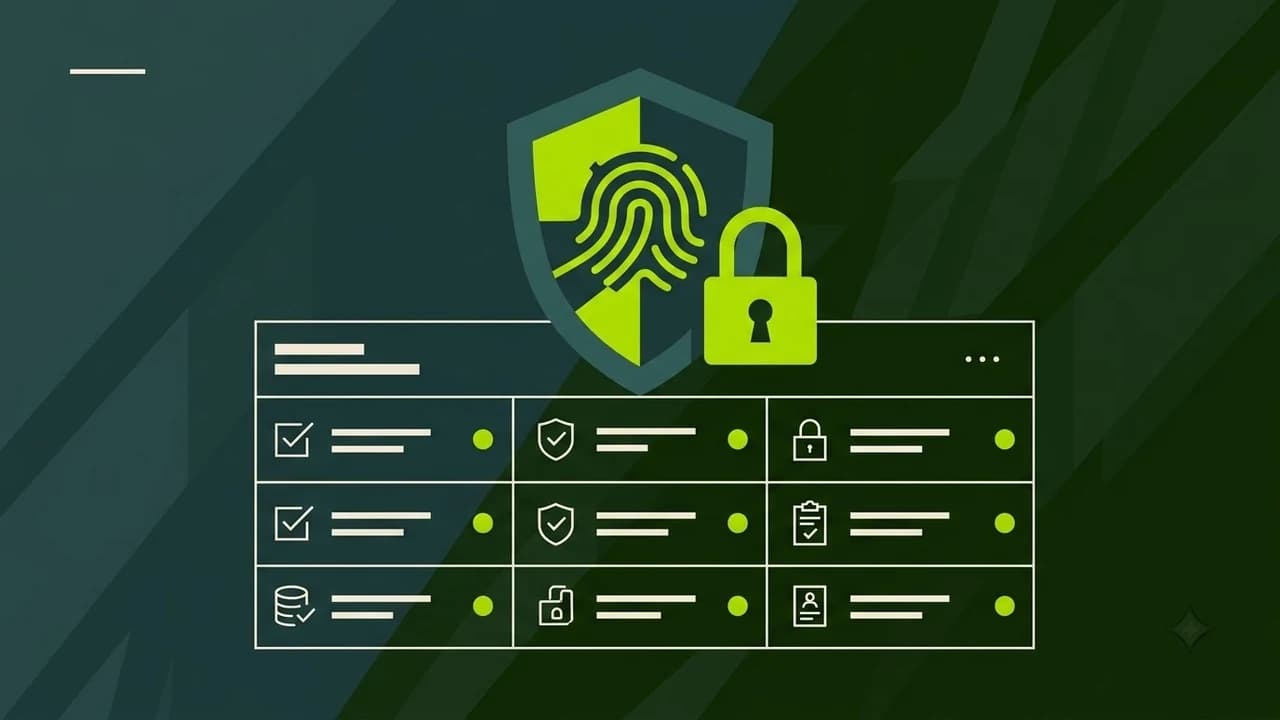
1. Clear Consent | Must get unambiguous, affirmative consent before collecting data | Add an unchecked consent checkbox on lead forms & chatbot start screens |
2. Purpose Limitation | Data can only be used for the exact reason stated at collection | Don't sell leads or send unrelated promotional spam |
3. Data Minimisation | Collect only what is strictly necessary to deliver the service | Don't ask for PAN or Aadhaar unless legally required for financial transactions |
4. Right to Erasure | Customers can request their data to be deleted anytime | Provide a simple email or WhatsApp reply keyword (e.g., "DELETE DATA") |
5. Security Safeguards | Protect stored customer data against leaks and breaches | Use encrypted cloud databases, 2FA on CRM accounts, and private API keys |
Handling AI Chatbots & Customer Queries Safely
When deploying ChatGPT, Claude, or third-party bots for customer support, keep these rules in mind:
1. Never Pass Sensitive Personal Data to Public Chat Interfaces
If your team uses free web versions of consumer AI tools (like free ChatGPT), employee inputs might be used to train future public models. Never paste customer phone numbers, credit card details, or medical records into standard consumer chat windows.
2. Use Official API Endpoints With Zero Data Retention
When connecting AI to your CRM or WhatsApp chatbot, always use official developer API tiers (OpenAI API, Anthropic API, or Azure OpenAI). These commercial API agreements explicitly guarantee that your input and output data is never used to train base models.
3. Add a Plain-Language Privacy Notice to Your Chatbot
Before a customer interacts with your WhatsApp bot or web widget, include a clear 2-sentence notice:
"By messaging us, you agree to let [Your Brand Name] process your query and contact details to assist you. View our privacy policy at yourwebsite.in/privacy."
The Non-Coder DPDP Compliance Checklist for 2026
Run through this practical checklist to audit your small business today:
- Lead Form Audit: Ensure all web forms have a clear consent checkbox that is NOT pre-ticked.
- WhatsApp Opt-In: Verify that marketing broadcast lists only include customers who actively opted in to receive updates.
- Easy Unsubscribe Option: Every promotional message must include a simple way to opt out ("Reply STOP to unsubscribe").
- Data Retention Policy: Set automated rules in your CRM or Google Sheets to archive or delete inactive customer leads older than 24 months.
- Staff Access Control: Enable Two-Factor Authentication (2FA) across your Zoho, Google Workspace, and CRM logins.
What Are the Penalties for Non-Compliance?
The Data Protection Board of India can levy significant financial penalties for failure to prevent personal data breaches or failing to implement reasonable security safeguards. While maximum penalties target massive corporate data breaches, even small businesses face severe financial and reputational damage if customer databases are exposed or mishandled.
Compliance is not just about avoiding fines—it is about building trust. Indian consumers in 2026 are increasingly aware of data privacy. Demonstrating that you treat their personal information with respect gives your brand a massive competitive edge.

Learn to build AI workflows that handle your busywork — live sessions, real projects, zero code.
See the courseBeginner-friendly