.jpg&w=1080&q=75)
Proactive AI Agents: How to Build Event-Driven Automation That Operates Without Human Triggers


Proactive AI Agents: How to Build Event-Driven Automation That Operates Without Human Triggers
For the first three years of the generative AI boom, automation was almost exclusively reactive. A human operator had to open a chat box, type a prompt, press enter, and wait for a response. Even simple workflow automations relied on manual "if-this-then-that" user actions to begin processing.
In 2026, the vanguard of business automation has shifted to Proactive AI Agents.
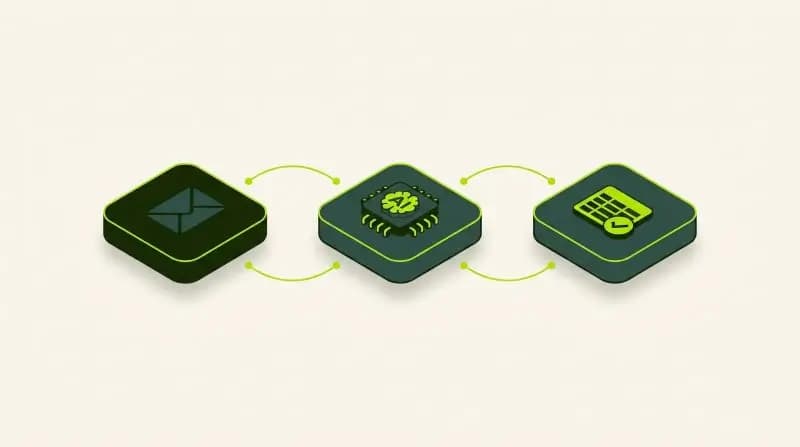
Unlike reactive chatbots, proactive agents do not wait for a human to type a prompt. They run continuously in the background, listening for real-time webhooks, monitoring system metrics, auditing customer support queues, analyzing market shifts, and taking autonomous action based on pre-defined policy gates.
At Zero To AI, we empower business leaders, solopreneurs, and developers to build autonomous systems that work around the clock. In this guide, we explore the architecture of proactive AI agents, contrast them with reactive prompt loops, and provide a complete Python event-driven agent blueprint.
1. The Mindset Shift: Reactive Chatbots vs. Proactive Event-Driven Agents
Understanding the core operational difference between reactive and proactive automation is key to unlocking enterprise productivity:
Reactive Chatbots (Legacy Approach)
- Trigger: Human user typing a prompt in a chat box.
- Execution: One-shot request/response cycle.
- Context: Short-lived session memory that resets after conversation completion.
- Human Dependency: 100% dependent on human initiative to start every task.
Proactive AI Agents (2026 Approach)
- Trigger: System events (webhooks, database changes, cron schedules, queue thresholds).
- Execution: Continuous evaluation loop with multi-step tool execution.
- Context: Persistent state memory stored in PostgreSQL, Redis, or SQLite.
- Human Dependency: Operates autonomously, escalating to human operators only when approval thresholds or guardrail exceptions are met.
2. The 4 Pillars of a Proactive Agent Architecture
To build a reliable proactive agent that operates 24/7 without getting stuck or running up infinite API bills, your system requires four core architectural layers:
┌───────────────────────────────────────────────────────────┐
│                    1. Event Listener                      │
│        (Webhooks, Cron Timers, Database Triggers)         │
└─────────────────────────────┬─────────────────────────────┘
                              │ Real-Time Payload Event
                              ▼
┌───────────────────────────────────────────────────────────┐
│                 2. State & Context Memory                 │
│         (Load Historical Context & Policy Rules)          │
└─────────────────────────────┬─────────────────────────────┘
                              │
                              ▼
┌───────────────────────────────────────────────────────────┐
│             3. Reasoning Engine & Tool Executor           │
│        (LLM Agent Loop + MCP Tool Execution)              │
└─────────────────────────────┬─────────────────────────────┘
                              │ Action Output
                              ▼
┌───────────────────────────────────────────────────────────┐
│            4. Human-in-the-Loop Approval Gate             │
│        (Auto-Approve Low Risk / Alert Human for High Risk) │
└───────────────────────────────────────────────────────────┘
Pillar 1: Event Listener (The Eyes & Ears)
The agent connects to incoming events via webhooks (e.g., Stripe payment failures, GitHub issue tags, New Zendesk ticket creation) or scheduled cron intervals (e.g., daily 6:00 AM competitive price audits).
Pillar 2: Persistent State & Memory (The Context)
Before acting, the agent queries persistent storage to understand historical context. Has this customer experienced an issue before? What is the current account status? What policy applies?
Pillar 3: Reasoning Engine & Tool Calls (The Brain & Hands)
The agent evaluates the incoming event against historical context, determines required actions, and executes tools via standardized protocols like the Model Context Protocol (MCP).
Pillar 4: Human-in-the-Loop (HITL) Fallback Gate (The Safety Net)
Actions are scored by risk tier:
- Low Risk (Auto-Executed): Draft email response, update CRM record, summarize ticket.
- High Risk (Human Approval Required): Issue customer refund over $200, modify production database configuration, publish public press statement.
3. Real-World Case Study: Automated Customer Retention Agent
Consider a proactive SaaS churn prevention agent operating in 2026:
- Event: Stripe triggers a webhook for an Enterprise customer.
- Proactive Evaluation: The agent receives the event, queries the database, and identifies that the customer’s credit card expired.
- Autonomous Action 1: The agent drafts a personalized, polite billing update email referencing their account manager.
- Autonomous Action 2: The agent creates a priority task in HubSpot CRM and posts a summary notification to the #customer-success Slack channel.
- Human Gate: If the customer does not update billing within 48 hours, the agent automatically flags the account for manager review before restricting access.
Zero human prompts were required to initiate this 5-step retention process.
4. Python Code Blueprint: Event-Driven Proactive Agent
Below is a complete, runnable Python blueprint utilizing FastAPI and a persistent event harness:
from fastapi import FastAPI, BackgroundTasks, HTTPException
from pydantic import BaseModel, Field
import datetime
import json
import logging

logging.basicConfig(level=logging.INFO)
logger = logging.getLogger("ProactiveAgent")

app = FastAPI(title="Zero To AI Proactive Automation Node")

class WebhookEvent(BaseModel):
    event_type: str = Field(description="e.g. customer_churn_risk, server_high_load")
    source: str
    payload: dict

def execute_proactive_agent_task(event: WebhookEvent):
    """Background proactive reasoning loop executing autonomous tool actions."""
    logger.info(f"🤖 Proactive Agent Triggered by: {event.event_type} from {event.source}")

    # Step 1: Context Lookup & Policy Check
    customer_email = event.payload.get("email", "[email protected]")
    risk_score = event.payload.get("risk_score", 0.85)

    # Step 2: Policy Decision Gate
    if risk_score > 0.8:
        # Low risk: Execute proactive outreach
        logger.info(f"--> [AUTO-ACTION]: Generated proactive retention offer for {customer_email}")
        logger.info(f"--> [AUTO-ACTION]: Dispatched webhook to CRM & Slack notification channel.")
    else:
        # High risk: Escalate to Human Operator
        logger.info(f"--> [HUMAN-GATE]: High sensitivity detected. Created review ticket for manager.")

@app.post("/webhook/event-listener")
async def handle_incoming_event(event: WebhookEvent, background_tasks: BackgroundTasks):
    """Receive real-time system events and dispatch to proactive background agent."""
    if not event.event_type:
        raise HTTPException(status_code=400, detail="Invalid event type")

    # Dispatch proactive agent execution asynchronously (non-blocking)
    background_tasks.add_task(execute_proactive_agent_task, event)

    return {
        "status": "QUEUED",
        "message": f"Event {event.event_type} acknowledged. Proactive agent running in background.",
        "timestamp": datetime.datetime.now().strftime("%Y-%m-%dT%H:%M:%SZ")
    }

# Run with: uvicorn server:app --port 8000
5. Best Practices for Deploying Proactive Agents in 2026
To maintain operational control over autonomous background agents, follow these production guidelines:
- Enforce Strict Token & Execution Caps: Set hard limits on tool calls per event to prevent infinite looping.
- Implement Idempotency Keys: Ensure that duplicate webhooks do not trigger duplicate agent actions (e.g., sending two billing emails for a single event).
- Establish Clear Visibility Dashboards: Maintain real-time logs of all proactive agent decisions, tool execution outputs, and human escalation queues.
Conclusion: Let Your AI Work While You Sleep
The true promise of artificial intelligence is not having a faster chatbot to type prompts into—it is building intelligent systems that proactively handle complex business operations, safeguard customer relationships, and streamline workflows while you sleep.
At Zero To AI, we guide founders, solopreneurs, and developers through building production event-driven AI agents from start to finish.
Ready to Build Proactive AI Systems?
Explore step-by-step workflow blueprints, code repositories, and hands-on courses at Zero To AI. Automate your operations today!
Learn to build AI workflows that handle your busywork — live sessions, real projects, zero code.
See the courseBeginner-friendly