
Vibe Coding Course vs Software Bootcamps: Speed and Fit
A vibe coding course teaches non-coders to ship working websites and MVPs in days for roughly ₹1,499 plus ₹0 to ₹2,100 monthly in AI tools, whereas Indian software bootcamps cost ₹60,000 to ₹3,99,000 and take 6 to 12 months to train career programmers. Pick vibe coding for fast business builds, or a bootcamp for developer jobs.
Last verified: 12 November 2026. Course prices, AI builder limits, and Indian bootcamp fee structures below were checked against live pages and October 2026 audits.
Every week, Indian founders, agency owners, and working professionals face the same expensive fork in the road. Someone tells them they should join a coding bootcamp so they can "build AI products." So they look at six-month or twelve-month programs charging ₹1 lakh to nearly ₹4 lakh, stare at data structures and algorithms syllabi, and quietly give up before writing their first function.
Wait a second. Ask yourself what you actually want to build. If your real goal is launching a client portal, an internal CRM, a booking website, or a SaaS MVP without hiring an agency for ₹50,000, a full computer science bootcamp is overkill. That exact gap is why a focused vibe coding course exists.
Let's compare both paths honestly across real INR fees, build speed, tool costs, and where traditional software bootcamps still win hands down.
What You Actually Learn in Each Path
Prompt-driven app building means describing what software should do in plain English and steering AI builders to write, style, and connect the code. Instead of memorising React hooks or SQL syntax, you learn product framing, prompt debugging, database wiring, and deployment. For a deeper look at the Indian ecosystem, see our guide on AI app building for non-programmers in India.
Traditional Indian software bootcamps do the opposite, and rightly so for their audience. Programs from Scaler Academy, Masai School, and HCL GUVI Zen Class train aspiring software engineers to pass technical coding rounds at product companies. Even though their updated 2026 tracks weave AI assistants into labs, the core workload still revolves around JavaScript or Python mastery, data structures, algorithms, backend architecture, and mock interviews.
Neither path is broken on its own. Confusion happens only when a marketing manager buys a ₹3.99 lakh engineering bootcamp to build a weekend landing page, or when a fresher tries to pass a senior backend interview using only a weekend prompt workshop.
AI App Building vs Software Bootcamps: 2026 India Comparison
All fees and timelines below reflect live checks conducted between October and 12 November 2026.
Factor | Vibe Coding Course ( | Indian Software Bootcamps (Scaler / Masai / GUVI) |
|---|---|---|
Course Fee (INR) | ₹1,499 one-time (The Vibe Coding Mastery); ₹0 free starter workshop | Scaler: ₹3,99,000; Masai PAP: ₹2.5L to ₹4.5L post-job; GUVI Zen Class: up to ₹1,14,999 |
Ongoing Tool Cost | ₹0 (free tiers) to ₹649 to ₹2,100/month (Cursor Start / Lovable Pro / Bolt Pro) | Laptop, internet, plus EMI interest if financed |
Time to First Live App | 13 minutes (simple site) to 1 weekend (MVP with backend) | 3 to 6 months before full-stack capstone projects |
Total Program Duration | Self-paced (hours to 2 weeks of practice) | 30 to 35 weeks full-time (Masai) or 12 months (Scaler) |
Prerequisites | Zero coding, plain-English logic | Logical aptitude tests, consistent 20 to 50 hrs/week study |
Primary Career Outcome | Freelance websites, agency MVPs, internal business tools | Junior to mid-level SWE, Data Science, or AI Engineer job roles |
Where It Falls Short | Not built for high-scale enterprise systems or DSA interviews | Expensive and slow if you only want to ship SMB tools or startups |
The Real Rupee Math: Course Fees Plus Tool Stack
Most sales pages hide the second bill: software subscriptions. Let's put every verified price on the table as of 12 November 2026.
First, look at traditional Indian bootcamps:
- Scaler Academy: An October 15, 2026 fee audit on BootcampGuide places Scaler's 12-month Software Development and AI Engineering, DSML, DevOps, and FDE programs at ₹3,99,000, with no-cost EMI options starting near ₹9,791 to ₹9,811 per month and ₹20,000 upfront on several tracks.
- Masai School: According to BootcampGuide's October 18, 2026 review, Masai's 30-to-35 week flagship Software Development course uses a Pay After Placement model (₹0 upfront, ₹2.5 lakh to ₹4.5 lakh paid once you land a job at ₹3.5 LPA or higher). On Masai's live site, Masai also runs shorter 4-week online AI residencies (starting 20 November 2026) and 6-month IIT/IIM-partnered prepaid cohorts.
- HCL GUVI Zen Class: Live IIT-certified career tracks on GUVI's Zen Class page reach up to ₹1,14,999 with monthly EMI plans.
Now check a prompt-first build track plus its real tool bill:
- Training: Zero To AI's The Vibe Coding Mastery costs ₹1,499 one-time (discounted from ₹4,999), and you can test a 13-minute build free in the Zero To AI Free Portal. Dedicated 3-month Indian cohorts such as ONROL's AI app cohort (updated 27 October 2026) also exist for learners wanting live instructor accountability.
- Lovable.dev: Per Lovable's live pricing page (and Superblocks' breakdown), the Free tier offers 5 daily credits for public projects. Pro starts at $25/month (about ₹2,100) for 100 monthly credits, private projects, and custom domains.
- Bolt.new: Per Bolt's live pricing page, Free gives 300K tokens daily (1M/month) with Bolt branding, while Pro costs $25/month for 10M monthly tokens, custom domains, and branding removal.
- Cursor Start (India): On 28 July 2026, Cursor launched Cursor Start in India at ₹649/month, payable via UPI, specifically so Indian builders can skip international forex cards.
Compare the totals. Even if you buy a ₹1,499 practical course and pay for two months of Lovable Pro or Cursor Start while launching three projects, your total spend sits between ₹2,797 and ₹5,700. That is roughly 1% to 5% of a traditional Indian software bootcamp. Need help picking between those builders? Our non-coder comparison of Lovable, v0, Bolt, and Cursor breaks down each interface.
Speed to Launch vs Depth of Engineering
Speed is where natural-language builders change the game for non-technical operators. In a traditional bootcamp, Month 1 covers variables, loops, arrays, and Git commands. You might spend eight weeks before deploying anything a customer can click.
In a prompt-first workflow, you reverse the order. You launch a clickable prototype on Day 1, test it with real users or local clients on Day 3, and polish payments or forms over the weekend. As ONROL notes in its October 2026 India analysis, small businesses save ₹50,000 to ₹5 lakh compared to agency retainers by shipping internal sites and MVPs directly.
Still, honesty matters here. Fast AI generation carries real technical risks. At WeAreDevelopers Conference India 2026 (scheduled 25 November 2026 in Bengaluru), engineering speakers specifically address moving past blind AI generation because unreviewed output can introduce security flaws, exposed API keys, and fragile database rules.
If you are building a banking app, high-frequency trading platform, or complex multi-tenant SaaS for 100,000 concurrent users, a short no-code track alone is not enough. You either hire a senior engineer to audit the codebase, or you invest the 6 to 12 months required by a software bootcamp to learn systems engineering properly.
Weekend Walkthrough: Build and Deploy Your First Client Prototype
You do not need to spend ₹3.99 lakh or even ₹1,499 today to see whether AI app building fits your brain. Run this exact 5-step weekend test on free tiers:
- Pick a real, small business problem: Skip vague ideas like "build the next Zomato." Choose a 3-section website for a local dental clinic, coaching centre, or boutique gym with an appointment form and WhatsApp button.
- Write a 1-page specification first: Open ChatGPT or Claude and write four blocks: target audience, 4 page sections, exact form fields (Name, Phone, Preferred Time), and brand colours. Never start inside a builder without this brief.
- Generate Version 1 on Lovable or Bolt Free: Paste your specification into
lovable.devorbolt.new. Spend at most 2 free daily credits fixing layout spacing and mobile responsiveness. - Test the break points: Open the preview link on an Indian Android phone over 4G. Check button alignment, form validation, and whether every menu item actually scrolls or opens.
- Deploy and review: Publish to the free preview URL (or export to Vercel/Netlify). If you want to turn this exact workflow into a ₹15,000 to ₹50,000 freelance offer, read our guide on how Indian freelancers build and sell websites without manual syntax.
Who Should Pick Which Path? (Quick Fit Checklist)
- Choose a vibe coding course if you are a founder, marketer, freelancer, or SMB owner who wants working websites, landing pages, or internal dashboards shipped in days without learning JavaScript syntax.
- Choose a traditional software bootcamp if your explicit goal is cracking product-company DSA interviews and working full-time as a Software Development Engineer or ML Engineer.
- Do not join a ₹3.99 lakh coding bootcamp just because you want to launch an AI side business or freelance web studio; you will spend 8 months studying theory before earning a rupee.
- Do not skip security checks if you ship an AI-generated app with real user logins or payment gateways; always test database access rules before accepting live customer data.
Ready to build your first live website without touching raw syntax? Start with Zero To AI's The Vibe Coding Mastery (₹1,499 one-time) to move from blank screen to deployed client-ready pages step by step.
Sources
- Zero To AI: The Vibe Coding Mastery Course (accessed 12 November 2026)
- Zero To AI Free Course Library (accessed 12 November 2026)
- Lovable Pricing & Credit FAQ (accessed 12 November 2026)
- Superblocks: Lovable Pricing Breakdown (published 9 March 2026)
- Bolt.new Plans & Pricing (accessed 12 November 2026)
- Cursor Blog: Introducing Cursor Start in India (published 28 July 2026)
- ONROL: Top Vibe Coding Training in India (updated 27 October 2026)
- BootcampGuide: Scaler Academy Fees 2026 (published 15 October 2026)
- BootcampGuide: Masai School Review & Fees 2026 (published 18 October 2026)
- Masai School Live Cohort Catalog (accessed 12 November 2026)
- HCL GUVI Zen Class Career Programs (accessed 12 November 2026)
- WeAreDevelopers Conference India 2026: Beyond Vibe Coding (scheduled 25 November 2026)
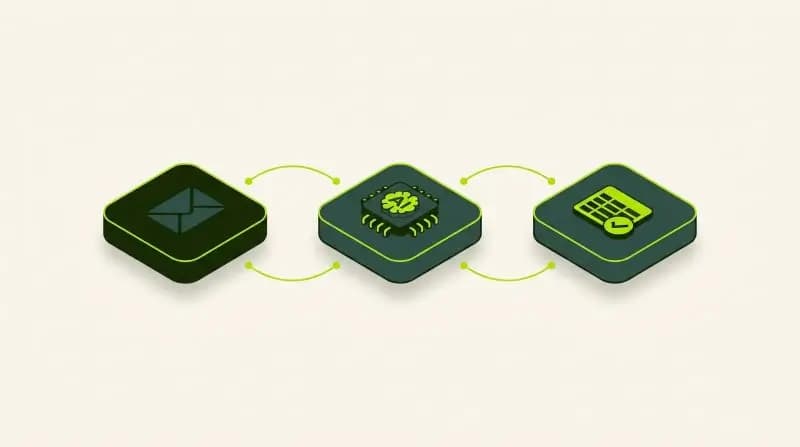
Learn to build AI workflows that handle your busywork — live sessions, real projects, zero code.
See the courseBeginner-friendly